Key Takeaways
- People share creator content that sparks emotion, whether it’s humour, inspiration or nostalgia, making emotional storytelling a powerful creator marketing strategy.
- Shareable content is built on authenticity, practical value and relatable experiences, not just promotional messages or product features.
- Influencer marketing performs best when creators have the freedom to tell genuine stories that audiences naturally connect with and recommend.
- Brand trust grows when creator campaigns feel authentic, helping brands reach new audiences through personal recommendations rather than paid exposure.
- The most successful creator campaigns don’t chase likes alone. They create memorable experiences that encourage people to share, expanding reach and building long-term brand awareness.
Sharing a post seems like a simple action.
We do it every day, whether it’s sending a funny TikTok to a friend, reposting an insightful LinkedIn article, or tagging someone in an Instagram Reel.
But have you ever wondered why some posts make people instantly hit “Share”, while others only get a quick like before they’re forgotten?
The difference isn’t just great design or clever copy. More often, it’s psychology.
The most shareable creator content taps into predictable human behaviours, from emotion and identity to trust and community. When brands understand these triggers, they can create influencer campaigns that people genuinely want to pass on rather than simply scroll past.
Why Shares Matter More Than Likes for Influencer Marketing Campaigns?
A like tells you someone enjoyed your content. A share tells you they believed it was worth recommending.
That’s an important distinction in influencer marketing. While likes show interest, shares reflect something deeper, they indicate that the content resonated enough for someone to pass it on to their own network. Every share extends a campaign’s reach beyond the creator’s audience and introduces your brand through a trusted personal recommendation rather than paid exposure.
This is especially valuable in influencer marketing, where shares can significantly amplify a campaign’s reach. According to Hootsuite, every share exposes your content to new audiences who may never have come across your brand otherwise, extending visibility through authentic peer-to-peer recommendations.
For brands, this shifts the goal of influencer marketing. Success isn’t just about generating impressions or collecting likes, it’s about creating content that people genuinely want to share. When audiences actively recommend a creator’s content, they amplify its reach, reinforce its credibility and help turn engagement into meaningful brand awareness.
So what makes people share content in the first place? It usually goes beyond simply liking a post. People are more likely to share content that makes them feel something, reflects who they are or offers value to others. By understanding these motivations, brands can create shareable content that reaches further and leaves a lasting impression.
Let’s explore the five psychological triggers that matter most.
1. Emotion: People Share What Makes Them Feel Something
Think about the last post you shared with a friend. Chances are, it made you laugh, inspired you, surprised you, or even reminded you of someone.
Emotion is one of the strongest drivers of social sharing because it creates an immediate human response. When content evokes a genuine feeling, people naturally want others to experience it too.
According to Jones PR, people are more likely to share content that evokes an emotional response, whether it’s joy, inspiration, surprise or amusement. Rather than sharing for the sake of the content itself, people often share because it helps them express their emotions, connect with others or start a conversation.
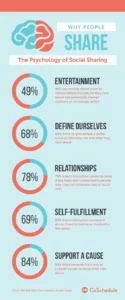
That’s why the most successful creator campaigns go beyond showcasing a product. Instead, they focus on relatable experiences, personal stories and meaningful moments that audiences genuinely connect with. When content feels authentic and emotionally engaging, people are naturally more inclined to share it.
What this means for brands
Instead of asking creators to highlight every product feature, give them the freedom to tell stories that spark genuine emotion. Whether it’s humour, nostalgia or inspiration, people are more likely to remember and share content that makes them feel something.
2. Identity: People Share Content That Reflects Who They Are
People don’t just share content because they like it.
They also share it because it represents who they are or who they aspire to become.
Whether it’s fitness, sustainability, travel or career advice, sharing content allows people to express their values, interests and personality to their network.
Marketing professor Jonah Berger, author of Contagious: Why Things Catch On, describes this as social currency. People naturally share information that helps them appear knowledgeable, interesting or helpful.
This is one reason creator marketing often outperforms traditional advertising. Creators build communities around shared interests and lifestyles, making their content feel more personal and relevant.
What this means for brands
Choose creators whose values genuinely align with your brand rather than focusing solely on follower count.
When audiences see themselves reflected in a creator’s content, they’re far more likely to engage with it and pass it along to others.
3. Practical Value: Helpful Content Is Meant To Be Shared
One of the simplest reasons people share content is because it helps someone else.
Whether it’s a skincare routine, restaurant recommendation, budgeting tip or travel guide, practical information gives people a reason to hit “Share.”
According to Jonah Berger’s STEPPS framework, useful content consistently outperforms content that focuses only on promotion because people enjoy helping others solve problems.
Click HERE to find out more!
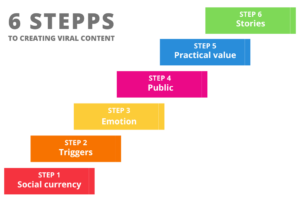
This is particularly relevant in creator marketing, where audiences often follow creators for trusted advice rather than entertainment alone.
Educational content, tips and tutorials, product demonstrations and honest reviews continue to generate strong engagement because they provide immediate value.
In KOBE’s past travel campaign for WISE, @wingkeh created a Instagram Reel sharing things to do in Krabi, Thailand for a 9 Days 8 Nights trip, complete with recommended activities and estimated costs. By offering helpful practical travel tips rather than just destination highlights, it resonated with audiences, generating 3,916 shares and demonstrating how practical content encourages people to share it.
What this means for brands
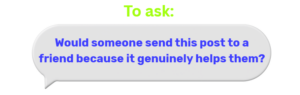
If the answer is yes, your content already has a stronger chance of being shared.
Instead of creating advertisements disguised as social posts, work with creators who naturally educate or solve problems within their niche.
4. Trust & Authenticity: People Share Recommendations They Believe
Trust is one of the biggest reasons creator marketing continues to grow.
People are far more likely to recommend content they believe is honest than content that feels overly scripted or promotional.
According to the 2025 Edelman Trust Barometer Special Report, recommendations from people, experts and authentic voices remain among the most trusted forms of information when consumers evaluate brands. This growing preference for credible recommendations reinforces why authentic creator partnerships often outperform traditional advertising.
Audiences have become increasingly skilled at recognising forced sponsorships.
On the other hand, creators who consistently disclose partnerships, provide balanced opinions and genuinely use the products they recommend tend to build stronger long-term credibility.
That trust doesn’t just increase engagement, it encourages sharing.
People are more comfortable recommending content when they believe it’s reliable.
What this means for brands
The goal shouldn’t be finding the biggest creator.
It should be finding the right creator.
Long-term partnerships with creators who naturally fit your brand are more likely to build trust than one-off sponsored posts that feel disconnected from their usual content.
5. Storytelling & Community: Great Stories Create Conversations
Facts inform.
Stories connect.
The most memorable creator content rarely feels like an advertisement.
Instead, creators naturally weave products into experiences, routines or personal milestones that audiences can relate to.
Stories are easier for our brains to remember because they provide context, emotion and meaning.
When those stories resonate, audiences don’t just consume them, they discuss them, tag friends and share them with people who might relate.
Over time, these conversations create communities rather than one-time interactions.
This is where creator marketing becomes particularly powerful.
Unlike traditional advertising, creators don’t simply broadcast messages. They cultivate ongoing relationships with audiences through shared experiences and conversations.
In another KOBE campaign for Burger King, @jazephua created a humorous sponsored TikTok that seamlessly integrated the brand’s promotion into an entertaining skit. Instead of feeling like a traditional advertisement, the content used relatable storytelling and humour to capture attention while naturally delivering the campaign message. This approach proved highly effective, with the video estimated to have 26,000 shares, making it one of KOBE’s most successful campaigns. This demonstrates how entertaining creator content is more likely to be shared, as people enjoy passing along videos that make them laugh.
https://www.tiktok.com/@jazephua/video/7358095349338115335?is_from_webapp=1&sender_device=pc
Curious to see just how this viral campaign became and the impressive results it achieved? Check out the full Burger King campaign case study!
What this means for brands
Rather than asking creators to “sell” a product, encourage them to tell stories.
Authentic storytelling builds stronger emotional connections, encourages discussion and ultimately increases the likelihood that audiences will share the content with others.
How Brands Can Apply These Psychological Triggers
Understanding why people share content is only the first step.
The real opportunity lies in applying these insights consistently across your creator marketing strategy.
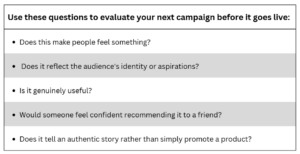
If you answered “no” to most of these questions, your content may generate impressions, but it’s less likely to earn meaningful shares.
When brands collaborate with creators who understand their audience and communicate authentically, these psychological triggers occur much more naturally.
Common Mistakes That Stop People From Sharing Content
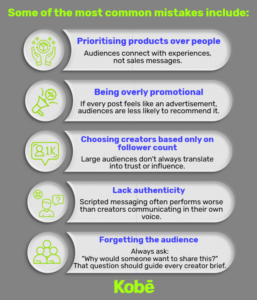
Even well-produced campaigns can struggle to gain traction if they overlook the reasons people actually share content.
Some of the most common mistakes include:
The SHARE Framework
Before launching your next creator campaign, use this simple framework to evaluate whether your content is designed to be shared.
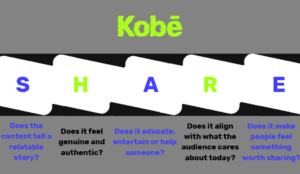
While there’s no guaranteed formula for creating viral content, campaigns that consistently perform well often score highly across these five areas.
Conclusion
At first glance, sharing a social media post seems almost effortless.
Yet behind every share is a decision shaped by emotion, identity, trust, usefulness and connection.
For brands, understanding these psychological triggers isn’t about chasing viral moments, it’s about creating shareable creator content that people genuinely want to recommend.
This is where creator marketing becomes especially powerful. The right creators don’t simply promote products; they build trust, tell authentic stories and create content that audiences are proud to pass along to friends, family and communities.
As social platforms and AI-powered discovery continue to evolve, the brands that succeed won’t necessarily be the loudest. They will be the ones creating meaningful content that people choose to share.
If your brand is looking to create creator campaigns that inspire genuine engagement, not just impressions, working with the right creators can make all the difference.https://www.getkobe.com/blog/ugc-vs-influencer-marketing-which-delivers-better-results-in-2026/
Before planning your next creator campaign, it’s also worth understanding the different roles that UGC and influencer marketing play. Our guide blog, breaks down the strengths of each approach to help you make the right choice.
UGC vs Influencer Marketing: Which Delivers Better Results in 2026?
Frequently Asked Questions
Why do people share content on social media?
People typically share content because it evokes emotion, reflects their identity, provides practical value, builds trust or helps them connect with others. These psychological triggers influence whether someone simply scrolls past a post or actively recommends it.
Why is creator content often more shareable than traditional brand content?
Creator content often feels more authentic and relatable because it is delivered through trusted personalities rather than corporate messaging. This authenticity encourages audiences to engage and share the content with their own networks.
How can brands create more shareable content?
Brands should focus on telling authentic stories, providing genuine value, partnering with creators who align with their audience and creating content that people feel proud or excited to recommend.
Is influencer marketing still effective in 2026?
Yes. When built on authenticity and long-term partnerships, influencer marketing continues to be an effective way to build trust, increase engagement and encourage organic sharing across social platforms.
How can KOBE help brands create more shareable creator campaigns?
KOBE helps brands connect with creators who genuinely resonate with their target audience, develop authentic campaign strategies and create content designed to build trust, spark conversations and encourage meaningful sharing.