Picking the right creator is only half the work. What happens before and after that post goes live, the goal you set, the content you brief, and the action you ask people to take, shapes whether a campaign converts or just collects views. Building that structure deliberately is what separates campaigns that perform from ones that just look good on a report.
Start with the goal, not the creator
The place to begin is not a creator shortlist. The single biggest mistake brands make when running creator campaigns is choosing who to work with before deciding what the campaign needs to achieve. The creator tier you select should follow from your goal, and your goal determines which stage of the funnel you are building for.
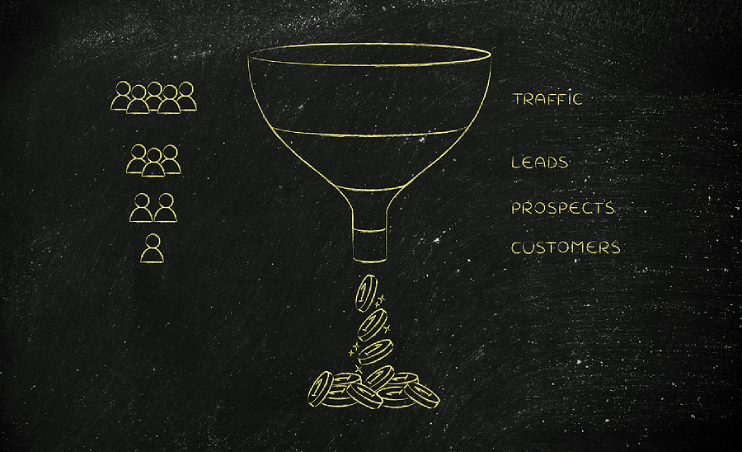
A useful way to think about this is in three stages. At the top, you are building awareness, where people who have never heard of your brand encounter it for the first time. In the middle, you are building consideration, where people who already know about you are deciding whether to trust you enough to act. At the bottom, you are driving conversion, where people who are ready to buy just need the right nudge. KOL marketing works at every stage, but the type of creator, the content format and the call to action need to match the stage you are targeting.
Top of funnel: reach and recognition
At this stage, the goal is visibility. You want the right people to discover your brand through someone they already follow and trust. Macro creators tend to perform well here because their reach is wide, and a single piece of content can introduce your brand to a large and relevant audience quickly.
The content itself should feel natural rather than promotional. Short-form video works particularly well for awareness, whether that is a TikTok or an Instagram Reel, because the format rewards authentic storytelling over polished advertising. The creator should be doing most of the creative heavy lifting, and your job is to brief them on the key message and give them room to make it their own.
A strong brief covers your campaign objectives, the key messages you want communicated, any mandatory mentions, content guidelines and a clear timeline. What it should never include is a word-for-word script, because a creator who sounds scripted loses the very quality that makes them valuable.
Middle of funnel: trust and consideration
Once someone has heard of your brand, the next step is getting them to take it seriously. This is where micro and nano creators tend to shine, because their audiences are smaller but far more engaged, and their recommendations carry a level of trust that larger accounts rarely replicate.
Content at this stage should go deeper. Think honest product reviews, tutorials, before-and-after comparisons or Q&A sessions where the creator addresses real questions their audience might have. The goal is to give a potential customer enough information and confidence to move forward. This is also the stage where your KOL campaign strategy benefits most from a creator-first approach, letting the person who knows their audience best shape how the message lands.
Bottom of funnel: conversion
By the time someone reaches this stage, they are already interested. The role of the campaign here is to give them a reason to act now rather than later, and that is where clear calls to action, unique discount codes, affiliate links and time-sensitive offers come in.
Sharing UTM links, affiliate links and unique promo codes with your creator partners before the campaign launches gives you a clean way to track conversions and clicks from each individual creator, making it far easier to understand what is actually driving results.
Live commerce is increasingly playing a role at this stage too, particularly on TikTok Shop, where a creator demonstrating a product in real time can move someone from curious to converted within a single session.
Measurement across the whole funnel
Each stage needs its own set of metrics. Reach and impressions tell you how awareness is tracking. Engagement rates, saves and comment sentiment tell you how the consideration stage is performing. Conversions, click-through rates and revenue attributed tell you whether the bottom of the funnel is working.
Measurement should be embedded in campaign design from the beginning, because the creator, the brief, the landing experience and the analytics framework all need to work together. A weakness in any one layer affects the overall result.
Putting it all together
A high-converting funnel is the result of knowing your audience’s journey, matching the right creator to the right stage and being disciplined about tracking what happens after someone watches a video or clicks a link. The campaigns that consistently perform are the ones where that thinking happened before the brief went out, not after the results came in.
If you are ready to build creator campaigns that do more than generate views, GetKobe can help you put the right structure in place, from creator selection to tracking and optimisation, so every stage of your funnel is working as hard as it should. That way, the results speak for themselves before the reporting even begins.