5 Key Takeaways
- TikTok is now a space for discovery, not just entertainment.
Audiences are using TikTok to search, learn and stumble upon new places, products and ideas. - Series content gives audiences a reason to come back. Progress updates and recurring content build curiosity by giving viewers a journey they can continue following.
- Relatable content turns shared experiences into conversations. Humour, familiar situations and everyday moments make it easier for audiences to relate, share and join the conversation.
- Strong hooks work best when they feel relevant, not forced. The best hooks quickly show viewers why they should keep watching while staying true to the content that follows.
- The right creator starts with the right audience fit. Brands should work with creators whose content and interests naturally align with their core audience, making the partnership feel more relevant and authentic.
TikTok trends come and go quickly. But in 2026 so far, getting people to stop scrolling isn’t just about jumping on the latest viral sound or dance.
More often, people stop for content that feels real, relatable and worth watching. This could be a personal story, an ongoing series or a funny everyday moment. It could also be an unexpected discovery or a simple “I needed to hear that” message. These formats help creators connect without making every video feel overly polished or scripted.
So, as TikTok content trends in 2026 continue to evolve, what is actually getting people to watch, engage and come back for more? And more importantly, what can brands learn from it?
What Does TikTok Content Look Like in 2026?
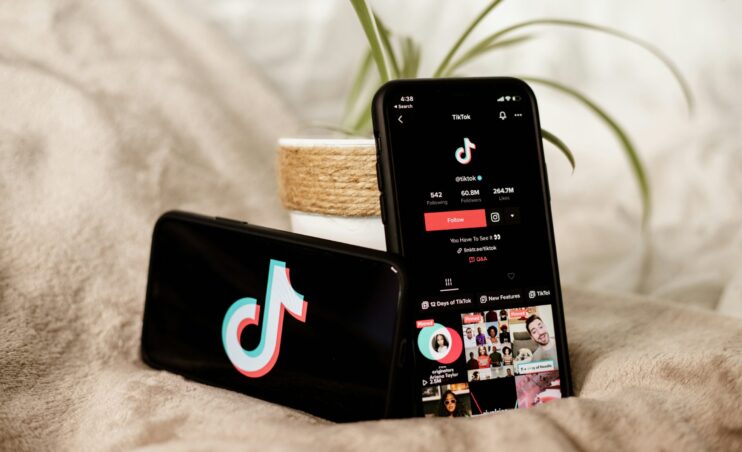
As we are approaching Q3 of 2026, TikTok has grown beyond being a place to simply scroll for entertainment. People are also using the platform to search, discover and learn, whether they’re looking for their next place to eat, a product review, a useful tip or something they didn’t expect to find.
40% growth in Tiktok searches year on year
Billions of searches now happen on TikTok every day, and 1 in 4 users start searching within 30 seconds of opening the app. This shows how naturally search has become part of the TikTok experience.
2 in 3 TikTok searchers discover useful things beyond what they originally searched for. People may come to TikTok looking for one thing, only to end up discovering something completely different. TikTok describes this growing behaviour as audiences following their curiosity into unexpected “rabbit holes” of content.
61% of Tiktok users discover new brands and products on the platform
A discovery does not stop at just content. 1 in 2 TikTok users have also used the platform to research or learn more about a new product or brand, showing how content can move audiences from simply watching to actively wanting to know more.
Together, these behaviours show that TikTok is becoming less about passive scrolling and more about curiosity, discovery and finding content worth sticking around for.
So, which TikTok content trends 2026 are actually catching attention?
Looking across the creator content trends shaping TikTok so far, these are 5 formats that stand out for how they capture attention and connect with audiences.
What makes the series engaging is that the outcome is not revealed immediately. Viewers experience the progress alongside her, giving them a reason to return for the next update. At the same time, seeing someone consistently work towards a goal can make the journey feel motivating and achievable for viewers following along.
For brands, this changes how short-form video trends can be used in a campaign. The full story does not need to fit into one sponsored post. It can unfold across several videos. This gives audiences more time to follow the creator’s progress or experience.
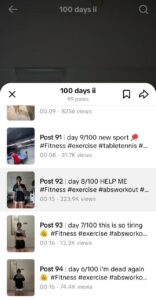
Sometimes, keeping audiences interested isn’t about revealing the result straight away. It’s about giving them a reason to come back and see what happens next.
Trend 2: Relatable & Community-Led Entertainment
→ skits, memes, inside jokes, trending moments, local humour, comment culture
Relatable entertainment often works because it turns familiar experiences into moments audiences immediately recognise. From everyday social situations and friendships to unspoken behaviours and shared humour, these experiences give creators plenty of opportunities to make content that feels relevant while still being entertaining.
@drzynation is one example of this approach, creates humorous skits inspired by familiar situations and interactions, making their content particularly relatable to younger audiences.
In one TikTok captioned “Like bro why you self inviting 😭”, the team turns the familiar experience of someone inviting themselves into a plan into a humorous skit. It is a straightforward situation, but one that audiences can easily recognise from their own friendships and social circles.
@drzynation Like bro why you self inviting 😭
♬ Beethoven Moonlight Sonata-High Sound Quality - Amemiya
The appeal goes beyond simply making audiences laugh. When viewers see an experience they recognise, it gives them something to respond to, share with friends or build on through the comments. In this way, a simple everyday situation can become a shared conversation within the community.
This community element is becoming increasingly relevant on TikTok. TikTok’s 2026 trend forecast highlights the growing role of shared humour, niche communities and audience participation, where comments and reactions can become part of the content experience itself.
The most relatable content is not about creating a completely new experience. It’s about putting a funny spin on something everyone already knows.
Trend 3: Discovery, Search & Curiosity Content
→ hidden gems, fun facts, recommendations, things to do, local discoveries
“There’s nothing to do in Singapore.” It’s something Singaporeans probably heard more than once. But sometimes, it only takes one TikTok to make you realise how much of Singapore is still hiding in plain sight.
That sense of discovery is what makes this type of content so easy to fall into. A hidden location, an unexpected fact or even somewhere you’ve passed countless times can suddenly become something worth searching for and exploring yourself.
@legocrazee, also known as Jordan Chua, taps into exactly this curiosity by uncovering lesser-known places and stories around Singapore.
One of his TikToks brings viewers to Bedok Lighthouse, an unexpected find located on top of Lagoon View near East Coast Park. Beyond simply showing viewers where it is, the discovery comes with an interesting piece of Singapore history: it was the country’s first fully automated and unmanned lighthouse, and the first to be built on top of a residential building on mainland Singapore.
@legocrazee A hidden lighthouse at east coast park, Singapore! Location: Lagoon View, Bedok Lighthouse #singapore #sgtiktok ♬ Matcha Latte - J C M
And that’s where discovery content becomes more than just another recommendation. It creates a “Wait, I never knew that” moment that can lead viewers to search, save the location or keep exploring related content.
TikTok itself is increasingly becoming part of that discovery journey. Searches on the platform have grown by more than 40% year on year, with billions happening every day. TikTok also found that 2 in 3 searchers use Search partly because they discover useful things beyond what they originally came looking for.
Sometimes, the most interesting content doesn’t give you exactly what you were searching for. It gives you something new to search for next.
Trend 4: Straight-to-the-Point & Hook-Led Content
→ direct hooks, quick lists, bold statements, specific questions, fast-paced content
Hooks have always been part of content that gets people to stop and watch. While the idea itself is nothing new, what continues to evolve is how creators make the hook feel fresh and relevant to the content. In 2026, it can be a direct question, a specific situation or simply telling viewers exactly what they are about to get. It is less about having the loudest opening and more about finding the right hook for the story.
Sometimes, that can be as straightforward as getting straight to the point. @yougotwatchsg does this with its TikTok on “5 things the THP hosts think are worth your money.” From the start, viewers already know what to expect: five recommendations and the hosts’ personal takes on what they believe is actually worth spending on.
The numbered format then helps carry that initial hook through the rest of the video. Each recommendation is delivered quickly before moving on to the next, keeping the content fast-paced while giving viewers a reason to stay and hear all five.
@yougotwatchsg 5 things the THP hosts think it’s worth your money 🤭 #ygwirl #product #tiktoksg #fyp #foryou ♬ original sound - yougotwatchsg
What makes this approach work is its simplicity. The hook creates an expectation, while the content follows through on it. Whether it is “5 things worth buying”, “3 things you should know” or a question that immediately speaks to a specific audience, the format can change depending on what the creator has to say.
For brands, this shows that a strong hook does not need to feel forced or overly dramatic. It simply needs to give the right audience a reason to stop, watch and want to know what comes next.
Trend 5: Authentic Storytelling & Personal Experiences
→ personal struggles, life experiences, storytimes, honest reflections, behind-the-scenes moments
Not every TikTok needs a polished story or perfect ending. Sometimes, the content that connects most is simply someone being open about an experience they have actually gone through.
From career uncertainty and personal setbacks to relationships and figuring out what comes next, creators are turning real experiences into stories their audiences can recognise. These moments can feel more personal because the creator is not just giving advice. They are sharing where that advice came from in the first place.
@reefkey__ demonstrates this through a more heartfelt TikTok about his experience starting out as a freelancer at 20. He speaks openly about feeling alone, navigating failed businesses and not always knowing what he was doing without someone to guide him.
Rather than presenting mentoring as the starting point of the video, he first gives viewers the personal experience behind it. He then shares how having a mentor helped him see things differently and navigate some of those difficult periods, naturally bringing MentoringSG’s #OneGoodTalk message into his own story.
What makes this type of storytelling effective is the lived experience behind the message. Viewers first understand what the creator went through before being introduced to the lesson or solution, which can make the takeaway feel more credible and relevant.
This approach extended beyond @reefkey__, with other creators also drawing from their personal experiences to share the value of mentoring.
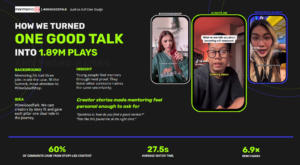
MentoringSG Case Study: Real Stories, One Shared Message
A strong example is MentoringSG’s #OneGoodTalk campaign with KOBE, where creators drew from their own experiences with career uncertainty, personal setbacks and moments when having the right guidance made a difference.
Instead of following the same script, each creator approached mentoring through a story that felt personal to them. From navigating freelance life to figuring out career direction, these experiences gave audiences a more relatable way to understand the value of having a mentor.
While every story was different, they came back to one shared idea: sometimes, one good conversation can change your perspective. By putting real experiences at the centre, MentoringSG became part of the creators’ stories rather than simply the subject of the content.
Instagram vs TikTok: Are the Content Trends Really That Different?
We have also explored the Instagram content trends shaping 2026, from educational and resource-driven content to relatable and community-led formats.
For the full breakdown, check out our 5 Instagram Content Trends to Watch in 2026 before diving into how the two platforms compare.
| TikTok | |
| More curated & considered | More spontaneous & personality-led |
| Saveable & shareable | Watchable & story-led |
| Educational & resource-driven | Entertainment & discovery-driven |
| Visual presentation matters | The opening hook matters |
| Community through interaction | Community through participation |
The trends may overlap, but how they come to life can look very different on each platform. For brands, it’s less about choosing one over the other and more about adapting the content to how audiences naturally use each platform.
Conclusion
What does Instagram and TikTok trends tell us about 2026?
Looking across both Instagram and TikTok content trends 2026, one thing stands out: audiences are responding to content that gives them a reason to stop, connect, discover or take action.
Instagram may lean towards more considered, saveable content, while TikTok thrives on personality, curiosity and fast-moving storytelling. But across both platforms, the strongest creator content trends come back to the same thing: understanding what your audience actually wants to see.
For brands, keeping up with social media content trends in 2026 isn’t about jumping on every trend. It’s about choosing the right format, creator and platform to bring your message to life naturally.
Frequently Asked Questions
1. What are the biggest TikTok content trends in 2026?
Key TikTok content trends in 2026 include progress-driven series, relatable entertainment, discovery content, hook-led videos and authentic storytelling.
2. Why is TikTok becoming important for discovery?
People are increasingly using TikTok to search for recommendations, products, places and useful information, often discovering things they weren’t originally looking for.
3. Should brands follow every TikTok trend?
No. Brands should focus on trends that naturally fit their message, audience and creator rather than joining something simply because it is popular.
4. How are Instagram and TikTok content trends different?
Instagram tends to favour more considered and saveable content, while TikTok leans towards personality, discovery and fast-moving storytelling. The best approach depends on where and how your audience engages.
5. How can KOBE help with your next creator campaign?
KOBE helps brands find creators whose content and audience naturally align with their target market, while shaping campaigns around the right platform, content style and objectives.