
Key Takeaways
- Being an ethical creator means staying transparent, honest, and responsible whenever creators work with brands.
- Clear sponsored content disclosure helps audiences recognise paid partnerships and strengthens long-term brand trust.
- Promoting competing brands too frequently, exaggerating product claims, or buying fake engagement can reduce audience confidence and campaign effectiveness.
- Ethical influencer marketing creates stronger relationships between creators, brands, and consumers, leading to more authentic and sustainable partnerships.
- Successful campaigns are built on authentic influencer partnerships, where transparency, creativity, and trust come before short-term results.
Have you ever purchased a product because your favourite influencer recommended it, only to realise later that the post was actually a paid advertisement?
Or perhaps you’ve seen a creator promote one skincare brand this week and a competing brand just days later.
If you’ve ever questioned whether influencer recommendations are truly genuine, you’re not alone.
As sponsored content becomes a bigger part of social media, audiences are paying closer attention to how products are promoted, not just what is being recommended. Consumers today expect creators to be transparent, honest, and authentic about the brands they work with.
Reseach from the 2025 Edelman Trust Barometer shows that trust still drives most purchasing decisions today. People are more likely to believe recommendations from creators who consistently communicate openly and honestly, making consumer trust one of the most valuable assets a creator can build.
This is where staying ethical becomes increasingly important.
It isn’t simply about following advertising regulations. It’s about building genuine relationships with audiences through responsible content, transparent sponsorships, and honest recommendations. For brands, working with ethical creators leads to stronger, more credible creator collaborations that deliver better long-term results.
In this guide, we’ll explore five common sponsored content mistakes creators should avoid, why they matter, and simple ways to build trust with audiences while creating more effective brand partnerships.
What Is Influencer Ethics?
Influencer ethics refers to the principles and responsibilities that guide how creators promote products, collaborate with brands, and communicate with their audiences.
This includes clearly disclosing sponsored content, making honest product recommendations, avoiding misleading claims, and respecting advertising guidelines.
While sponsored collaborations have become a normal part of social media, audiences increasingly expect creators to be open about paid partnerships. Research consistently shows that consumers are comfortable with sponsored content when it is presented transparently and aligns naturally with the creator’s usual content.
For brands, ethical influencer marketing goes beyond regulatory compliance. Choosing creators who communicate honestly helps strengthen consumer confidence, improve campaign credibility, and create long-term relationships with consumers.
Ultimately, this isn’t about avoiding sponsorships. It’s about making sure every partnership feels genuine, transparent, and beneficial for everyone involved.
How Ethical Influencer Partnerships Work
Many people assume influencers simply receive a free product, post about it on social media, and get paid.
In reality, successful influencer campaigns involve careful planning and collaboration between both the brand and the creator.
A typical partnership usually follows this process:
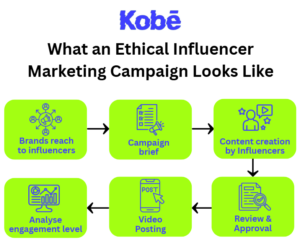
While brands often provide campaign objectives, product information, and key messages, creators should have the creative freedom to communicate these messages in a way that feels natural to their audience.
According to Emplifi, the strongest authentic influencer partnerships are built on mutual trust rather than rigid scripts. When creators genuinely believe in the products they promote and communicate honestly, audiences are more likely to engage positively with the campaign.
This approach benefits everyone involved, the creator maintains credibility, the audience receives trustworthy recommendations, and brands build stronger relationships with potential customers.
To note: The social media posts, captions, and visuals shown below are fictional and created for illustrative and educational purposes only. They do not represent or depict any actual influencer, brand, or partnership.
1. Not Clearly Disclosing Sponsored Content
Imagine discovering that your favourite skincare recommendation was actually a paid collaboration, but you only realised after reading through dozens of comments.
That small detail can completely change how the recommendation feels.
Sponsored content itself isn’t unethical. In fact, paid partnerships are an important part of the creator economy and allow influencers to continue producing valuable content. The issue arises when the sponsorship isn’t clearly disclosed, making it difficult for audiences to recognise that the content is an advertisement.
Some creators place #ad or #sponsored at the very end of a long caption, while others rely on vague wording that can easily be overlooked. Although this may seem like a minor detail, unclear sponsored content disclosure can affect how audiences perceive both the creator and the brand.
From a consumer’s perspective, transparency helps people evaluate recommendations more fairly. When sponsorships are hidden, audiences may begin questioning whether previous recommendations were genuine, ultimately weakening brand trust.
How to make it right
- Use platform features such as Paid Partnership whenever available.
- Place #ad or #sponsored where audiences can easily see it.
- Mention the sponsorship naturally within the video or caption rather than hiding it.
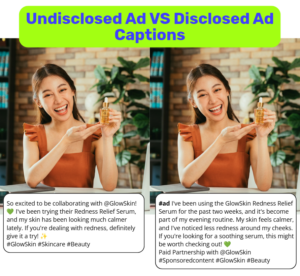
According to Singapore’s Advertising Standards Authority (ASAS), sponsored content should be clearly identifiable using terms such as Paid Partnership, Sponsored, Advertisement, #ad, or #sponsored.
2. Promoting Competing Brands Too Frequently
Working with different brands is a normal part of being a creator. However, promoting several competing products within a short period can unintentionally make recommendations feel less authentic.
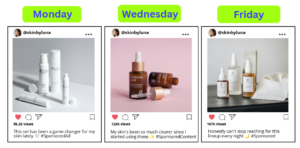
Imagine seeing a creator recommend one skincare brand on Monday, another competing skincare on Wednesday, and a third brand on Friday. Even if each collaboration is genuine, followers may start wondering whether the creator actually uses any of the products or is simply accepting every sponsorship opportunity.
This doesn’t necessarily mean the creator lacks integrity. Many influencers rely on sponsored partnerships as part of their income, and campaign opportunities don’t always arrive at convenient times. However, without careful planning, these partnerships can appear inconsistent from the audience’s perspective.
Consistency plays an important role in brand trust. Audiences are generally more confident in recommendations that fit naturally with a creator’s lifestyle and content rather than frequent promotions of competing brands.
How to make it right
- Partner with brands that genuinely align with your niche and values.
- Space out campaigns involving direct competitors whenever possible.
- Balance sponsored content with regular, unsponsored content to maintain authenticity.
People follow creators because of their personality, expertise, and experiences, not because every post is sponsored.
3. Making Misleading Product Claims
Sponsored content is designed to introduce products and help audiences make informed purchasing decisions. However, there’s a fine line between highlighting a product’s benefits and making claims that create unrealistic expectations.
We’ve all come across posts saying things like:
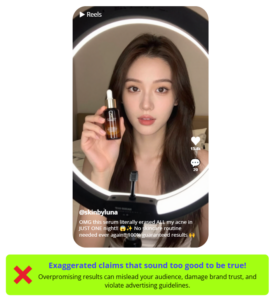
While these statements may attract attention, they can also mislead audiences if they aren’t supported by genuine experience or credible evidence.
This is especially important for products related to health, skincare, finance, or wellness, where consumers often rely on creators’ recommendations before making purchasing decisions. Exaggerated claims can lead to disappointment, complaints, and in some cases, regulatory action if the claims are misleading.
Being honest doesn’t make sponsored content less effective. In fact, audiences often appreciate creators who openly share both the strengths and limitations of a product. A balanced review feels more genuine and helps consumers make realistic decisions.
How to make it right
- Share your own genuine experience instead of making absolute promises.
- Explain that individual results may vary depending on the user.
- Focus on what the product is designed to do rather than guaranteeing specific outcomes.
- If discussing health or financial products, avoid making claims that cannot be supported with evidence.
By setting realistic expectations, creators protect both their own credibility and the reputation of the brands they work with.
4. Buying Fake Followers or Engagement
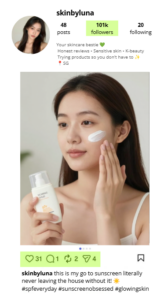
A large following may look impressive at first glance, but numbers alone don’t always reflect genuine influence.
Some creators purchase followers, likes, or comments in an attempt to appear more influential or improve their chances of securing brand partnerships. While this may temporarily increase visible metrics, fake engagement rarely translates into meaningful conversations, product sales, or long-term campaign success.
Today, many brands look beyond follower count when evaluating creators. Instead, they focus on engagement quality, audience relevance, and whether the creator has built a genuine community that actively interacts with their content.
Artificially inflating numbers may not only reduce campaign effectiveness but can also damage relationships with brands if engagement doesn’t match expectations. Authenticity has become a far more valuable metric than popularity alone.
 How to make it right
- Focus on building a genuine community instead of chasing follower numbers.
- Encourage meaningful conversations through comments and discussions.
- Measure success using engagement quality, audience relevance, and long-term relationships rather than vanity metrics.
Creators with smaller but highly engaged audiences often deliver stronger campaign results than much larger accounts with low-quality engagement.
5. Running Misleading Giveaways
Giveaways are a popular way for creators and brands to increase engagement, reward followers, and introduce new products. When managed transparently, they can strengthen audience relationships and generate positive brand awareness.
However, poorly organised giveaways can quickly have the opposite effect.
Some giveaways have unclear entry requirements, changing deadlines, missing winner announcements, or prizes that are never delivered. Even if these issues are unintentional, they can leave participants feeling disappointed and reduce confidence in future campaigns.
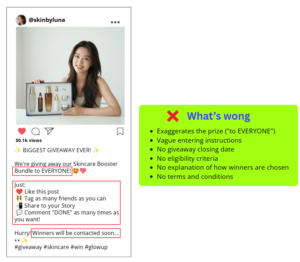 Transparency doesn’t stop once a sponsored post is published. It should continue throughout the entire campaign, including promotional activities such as giveaways.
Clear communication demonstrates professionalism and reassures audiences that the campaign is being managed fairly.
How to make it right
Every giveaway should clearly explain:
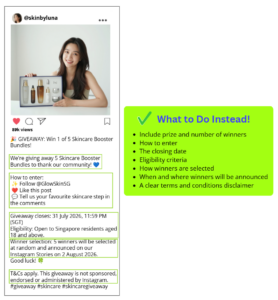
Following through on these commitments helps creators build stronger relationships with their audience while reinforcing long-term brand trust.
Conclusion
At the heart of every successful influencer campaign is one thing: trust.
Consumers understand that sponsored content is part of today’s creator economy. What matters most isn’t whether a post is sponsored, it’s whether the creator is open, honest, and authentic about the partnership.
Practising this means more than simply following advertising guidelines. It involves being transparent about paid collaborations, making honest product recommendations, respecting audience expectations, and building relationships that last beyond a single campaign.
For brands, partnering with creators who share these values leads to stronger campaigns, more meaningful audience engagement, and greater consumer confidence over time.
At KOBE, we believe the best campaigns are built through genuine, well-matched creator partnerships that benefit both brands and creators while delivering real value to audiences.
Connect with us if you’re looking to connect with creators who align with your brand values, we’d love to help you build partnerships your audience can truly trust!
FAQs
What is influencer ethics?
Influencer ethics refers to the responsible and transparent way creators promote products, disclose paid partnerships, and communicate honestly with their audience. Ethical creators prioritise trust by providing genuine recommendations and following advertising guidelines.
Why is sponsored content disclosure important?
Clear sponsored content disclosure helps audiences recognise when content is part of a paid partnership. Being transparent builds trust, supports compliance with advertising regulations, and protects both creators and brands.
Can influencers promote competing brands?
Yes. Many creators work with multiple brands. However, promoting direct competitors within a short period may make recommendations appear less authentic. Spacing out campaigns and choosing partnerships that align with a creator’s niche helps maintain credibility.
Why is ethical influencer marketing important for brands?
Ethical influencer marketing helps brands build stronger credibility, create more authentic campaigns, and develop long-term relationships with consumers. Partnering with trustworthy creators often leads to higher engagement and better brand perception.
How can brands build authentic influencer partnerships?
Brands can build authentic influencer partnerships by selecting creators whose values, audience, and content naturally align with the campaign. Giving creators creative freedom while encouraging transparency often results in more genuine and effective collaborations.