
Imagine you’re scrolling through your TikTok feed. A familiar face pops up, someone you’ve followed for years. They’re recommending a supplement, sounding completely like themselves, relaxed, genuine, convincing. You almost add it to your cart.
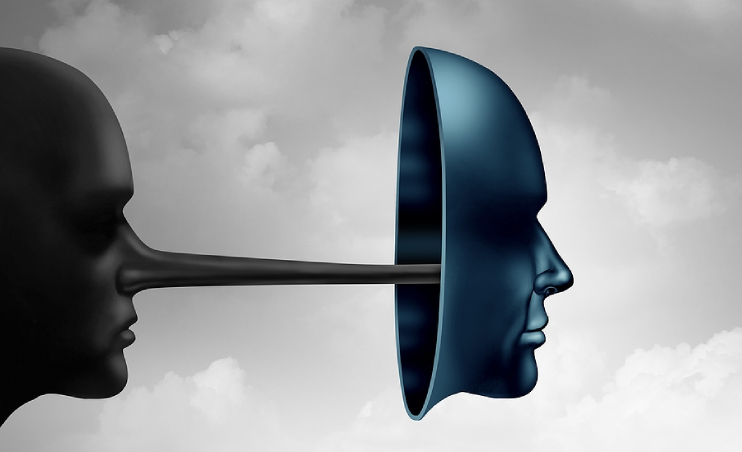
Then you find out the video was AI-generated. The creator never filmed it. Their voice was cloned. The whole thing was fabricated.
That scenario isn’t science fiction. It’s happening right now, and Singapore’s regulators have noticed. If you’re running brand campaigns or working with creators in 2026, here’s what you actually need to know.
Singapore Is Getting Serious About AI Content
For a while, the response to AI-generated content from most brands was… a shrug. It was a grey area. Nobody quite knew where the lines were.
That’s changed.
Singapore has moved faster than most markets in the region. The Infocomm Media Development Authority (IMDA) and the Ministry of Communications and Information (MCI) have updated their joint guidelines on synthetic media and digital advertising, anchored by the Online Safety Act and Singapore’s broader AI governance framework. The Advertising Standards Authority of Singapore (ASAS) has followed suit with revised Digital Advertising Guidelines that apply directly to sponsored content.
What do the rules actually say? In plain terms: if AI was used to generate or meaningfully alter how a real person looks, sounds, or speaks in commercial content, you have to say so. Prominently. Not in size-6 font at the bottom of the caption.
“Material alteration” covers more than most marketers realise. AI-cloned voices? Yes. Face-swapped endorsements? Yes. A beauty filter that makes a skincare product look more effective than it is? Also yes. The test isn’t whether you built the whole thing with AI. It’s whether AI changed how a real person is perceived in a way that could mislead a viewer.
The “Verified Human” Badge: What It Is and Why It Matters
Platforms haven’t just been watching from the sidelines. TikTok, Instagram, and YouTube have all rolled out versions of a “Verified Human” badge in Singapore and other regulated markets, and it’s becoming a bigger deal than most people expected.
Think of it like a verification checkmark, but for authenticity rather than identity. When a creator’s content passes a platform-level scan for AI manipulation, and the creator signs a declaration confirming their likeness and voice are unaltered, the badge shows up on the post.
For viewers, it’s a quick gut-check. For creators, it’s becoming a practical requirement. Brand contracts in Singapore are increasingly including Verified Human clauses for sponsored posts, because the reputational and legal risks of getting this wrong are real enough that brands can’t afford to be casual about it anymore.
And here’s the part that might surprise you: content with the badge is actually performing better in certain categories. Finance, health, parenting, home products. Basically, any space where the audience is already a bit suspicious and is actively looking for reasons to trust someone. Singapore consumers are digitally savvy. They notice these things.
Who’s Actually Liable When Something Goes Wrong
This is the part that tends to make marketing teams sit up straight.
Most people assume that if a creator produces problematic AI content, the legal exposure stops with the creator. It doesn’t.
Under Singapore’s Consumer Protection (Fair Trading) Act, misleading representations in commercial contexts can implicate the brand that commissioned the content, the agency that approved it, and the platform that distributed it. Everyone in the chain who knowingly benefited from the content can be on the hook.
The PDPA adds another layer. If a creator’s voice or likeness was cloned without proper consent and data handling, there’s a potential Personal Data Protection Commission issue sitting on top of the advertising compliance exposure.
And “the creator agreed to it” won’t save you. The law doesn’t just require consent between the brand and the creator. It requires disclosure to the audience. Those are two completely different things.
What does a real-world problem actually look like? It’s not always obvious. It could be an AI-cloned version of a local micro-creator’s voice in a product demo they never recorded. It could be archival footage of a public figure, synthetically updated to endorse something new. It could be a wellness brand using AI to smooth out a creator’s skin in a way that inflates what the product can genuinely deliver.
None of these feel like headline-grabbing fraud. They feel like shortcuts. And in 2026, shortcuts have real consequences.
Why Trust Is the Real Issue Underneath All of This
Here’s something that the legal frameworks don’t quite capture: people are just tired.
Tired of not knowing what’s real. Tired of second-guessing whether the person recommending something actually believes in it. Tired of finding out, after the fact, that they were influenced by something fabricated.
Singapore’s digital population sits heavily in the 18 to 34 age range when it comes to creator content consumption, and that’s also the group where trust in social media recommendations has dropped the most sharply over the past two years. They’re on TikTok, Instagram, and Xiaohongshu constantly, and they’ve developed finely tuned instincts for when something feels off.
Skeptical audiences don’t convert. They scroll past.
The creators who are winning right now are the ones leaning hard into being real. Real opinions. Real environments. Real reactions, even when those reactions are complicated or unflattering to the product. That kind of content builds the sort of audience that brands actually want, because the trust is genuine.
For brands, this means the marketing strategy needs to be creator-led, not just creator-distributed. There’s a real difference between briefing a creator to perform your message and actually partnering with someone whose perspective naturally fits your brand. One is a transaction. The other is a relationship. And in 2026, only one of them holds up.
What to Do Right Now
If you’re not sure where your campaigns stand, here’s a straightforward starting point:
1. Go back through your recent sponsored content
Anything that used AI tools, whether for voiceovers, visual enhancement, or generated elements, needs to be checked against current IMDA content standards and ASAS guidelines. Better to find the gaps yourself than have someone else find them for you.
2. Rewrite your creator briefs
Be specific about what AI modifications are and aren’t allowed, what disclosure language is required, and who carries responsibility if guidelines aren’t followed. Vague briefs create vague accountability.
3. Think carefully about who you’re working with
For campaigns in trust-sensitive categories, Verified Human creators aren’t just a compliance checkbox. They’re a genuine strategic advantage with a Singapore audience that has seen enough to be skeptical.
4. Keep records
If a complaint goes to CASE, the PDPC, or an advertising body, the paper trail of what was approved, reviewed, and disclosed becomes your most important asset.
Ready to Build Something Real?
The brands doing well in this environment aren’t the ones scrambling to stay compliant. They’re the ones who decided that authenticity was worth investing in before it became a legal requirement.
GetKobe helps Singapore brands find and work with creators who get this, people whose genuine voices, and audiences align with what you’re actually trying to say. From building your first creator partnership to rethinking an existing programme for the current landscape, the team can help you move faster and smarter without cutting corners on the things that matter.
In a post-truth feed, the most powerful thing you can offer your audience is something real.